
Building sustainable everyday life
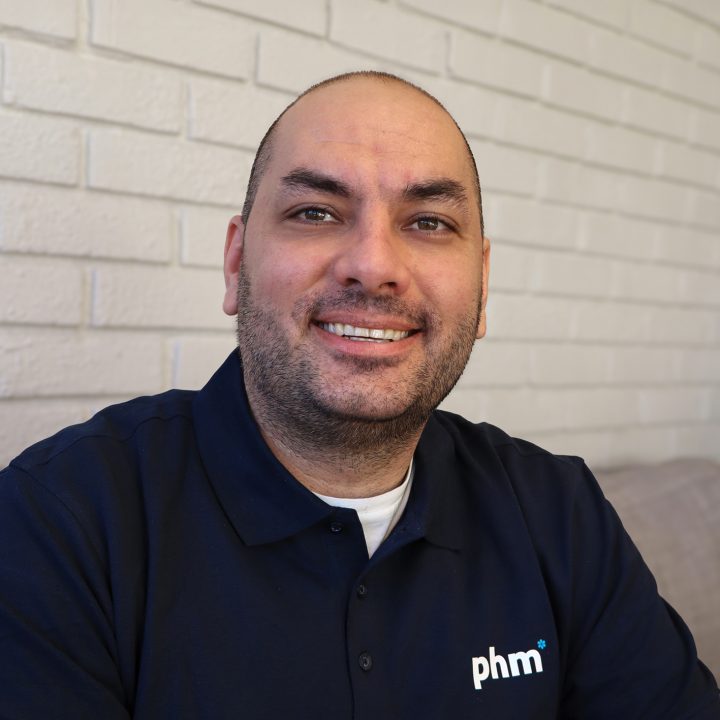
Bredablick is PHM Group’s company that operates in several cities in Sweden. Its business includes cleaning services, property maintenance, property management, and many other services related to the maintenance of housing companies and commercial properties. Maéva Hachem is the CEO in Uppsala. Under her leadership, Bredablick’s Uppsala unit builds sustainable everyday life in many different ways.
Customers demand transparency and continuous development. In Uppsala, Bredablick collects and reports environmental data annually, highlighting concrete results such as CO2e reductions thanks to the electrification of the vehicle fleet.
Locality and ecology guide procurement
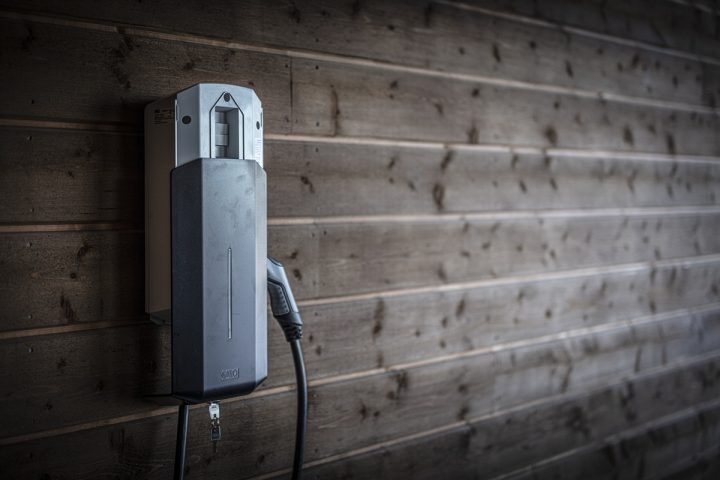
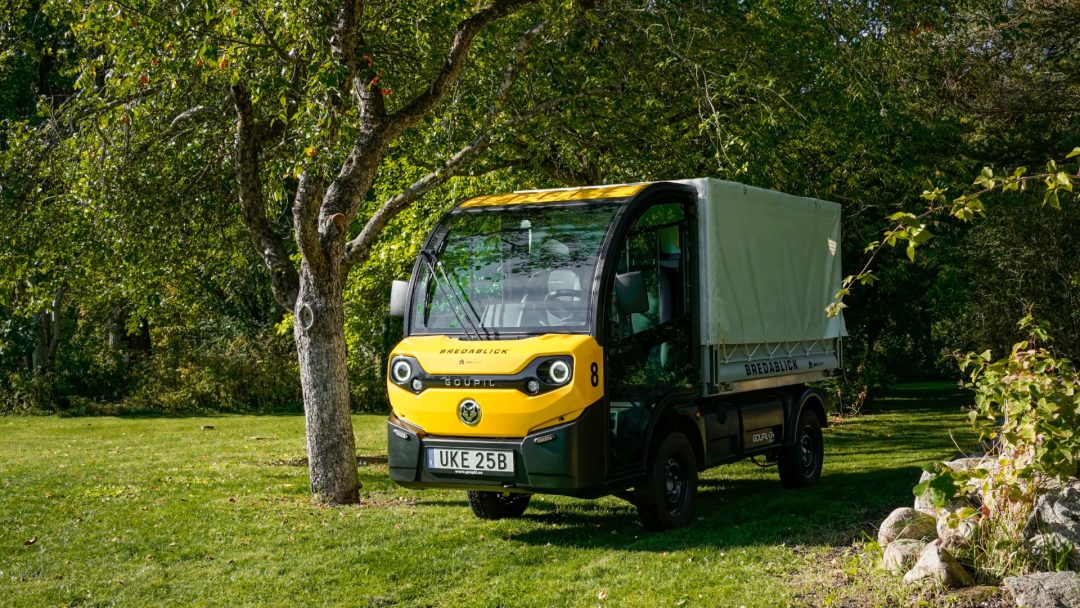
One of the most significant development projects has been the replacement of diesel and petrol-powered vehicles and machines with electric alternatives. Over the past year, nine electric cars have replaced part of the old fleet. In addition, outdoor maintenance machines will be gradually electrified at the end of their service life. “Our goal is to move fully to an electric fleet and electric machinery in the coming years”, says Hachem.
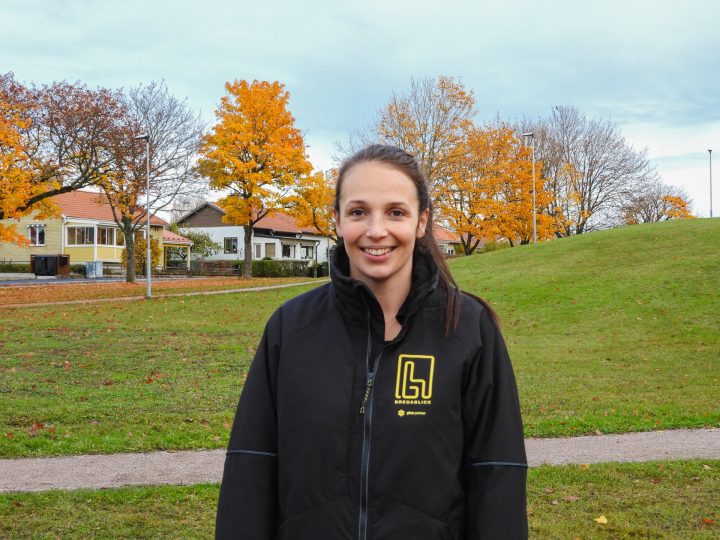
Maéva Hachem explains that plants and fertilisers are mainly sourced locally, which reduces pest risks and ensures their adaptation to local conditions. Bredablick’s customers in Uppsala can choose a “green contract” based on electric vehicles, sustainable materials and ecological working methods. “Customers often choose the local and ecological option despite the higher price, as they appreciate sustainability and quality”, Hachem says, adding: “We source electricity from renewable or fossil-free sources, which is in line with both local practices and PHM’s principles.”
”Sustainability is not just a regulatory requirement, but a strategic competitive factor and a way to strengthen customer trust.”
One of the company’s most innovative projects is a leaf composting project aimed at ensuring a natural material cycle. The leaves are collected, crushed and packed in airy bags. After a year, the result is a nutritious compost. Compost can be used in the maintenance of green areas, and it can potentially be sold or returned to customers. This is only a pilot project, and its broader implementation requires more detailed plans to meet safety requirements and especially fire safety regulations.
Social responsibility is part of sustainable business
In addition to environmental actions, the unit is committed to social sustainability. Cooperation with local educational institutions and authorities enables, among other things, internships and working-life opportunities for the long-term unemployed, immigrants, and those with partial work ability. Maéva Hachem sees this work as an important part of social responsibility.
Maéva Hachem is interested in sharing her innovations and practices more widely with other units. “When local best practices and innovations can be shared between units, sustainability becomes a shared journey. We want to set an example with our own actions.”
The article was originally published in the PHM Group’s 2025 Annual Report.